The Mechanics of Payout Processing in Mobile Gaming Environments and the Central Role of Engine Architecture
Paul Keller · Jun 6, 2026
The Mechanics of Payout Processing in Mobile Gaming Environments and the Central Role of Engine Architecture
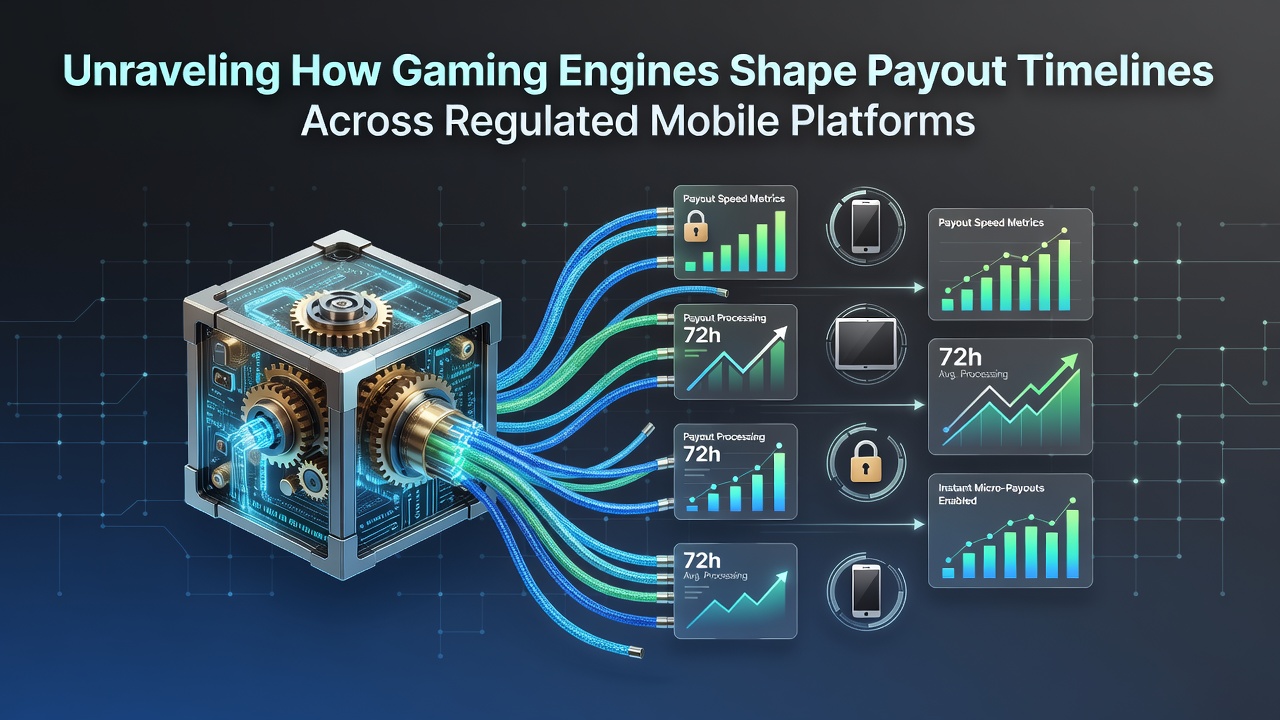
Regulated mobile platforms rely on specialized gaming engines to manage everything from random number generation to transaction verification, and these systems directly determine how quickly payouts reach players. Data from multiple jurisdictions shows that engine design choices affect processing speeds, with some architectures completing verification cycles in under five seconds while others extend the same process to several minutes. Observers note that the differences stem from how engines integrate with backend databases, security protocols, and regulatory reporting requirements.
Core Components of Gaming Engines in Regulated Mobile Settings
Modern mobile casino engines combine proprietary modules for game logic, payment gateways, and compliance monitoring. These modules operate within frameworks certified by independent testing labs, ensuring random outcomes and secure data handling. Research indicates that engines built around real-time synchronization tend to accelerate payout approvals because they reduce the number of handoff points between game servers and financial processors. In contrast, systems that batch transactions for later reconciliation often introduce delays that accumulate during peak usage periods.
Engine architecture also dictates how platforms handle identity checks and anti-money laundering flags. When an engine embeds these checks into the initial transaction layer, approvals move forward without separate queues. Figures from regulatory filings reveal that platforms using layered verification sometimes experience extended timelines, particularly when cross-border data exchanges require additional review.
Transaction Flow and Timeline Variations
Once a player requests a withdrawal, the engine initiates a sequence that includes balance validation, regulatory hold checks, and final fund transfer. The duration of each step depends on whether the engine processes tasks sequentially or in parallel. Platforms that allow concurrent verification of multiple data points complete the full cycle faster. Studies of operational logs demonstrate that parallel processing can cut average payout times by 40 percent compared with linear approaches.
Regulated environments add another layer because engines must log every action for audit purposes. This requirement creates a trade-off between speed and record-keeping depth. In June 2026, several North American operators plan to deploy updated engines that use compressed logging formats to maintain compliance while shortening the interval between request and completion.
Regulatory Requirements That Shape Engine Behavior
Authorities in different regions impose distinct standards that engines must satisfy before deployment. The New Jersey Division of Gaming Enforcement requires real-time reporting of large transactions, which forces engines to maintain constant connections to oversight servers. Similar rules from the Alcohol and Gaming Commission of Ontario emphasize data retention periods that influence how quickly historical records can be accessed during payout reviews.
These mandates do not prescribe exact processing speeds, yet they indirectly control timelines by dictating the volume of data an engine must handle. Platforms that design engines with efficient data pipelines satisfy both regulatory and operational demands more readily. Evidence from compliance reports shows that engines optimized for these constraints achieve consistent performance across varying load conditions.
Integration with Payment Providers and Its Effects
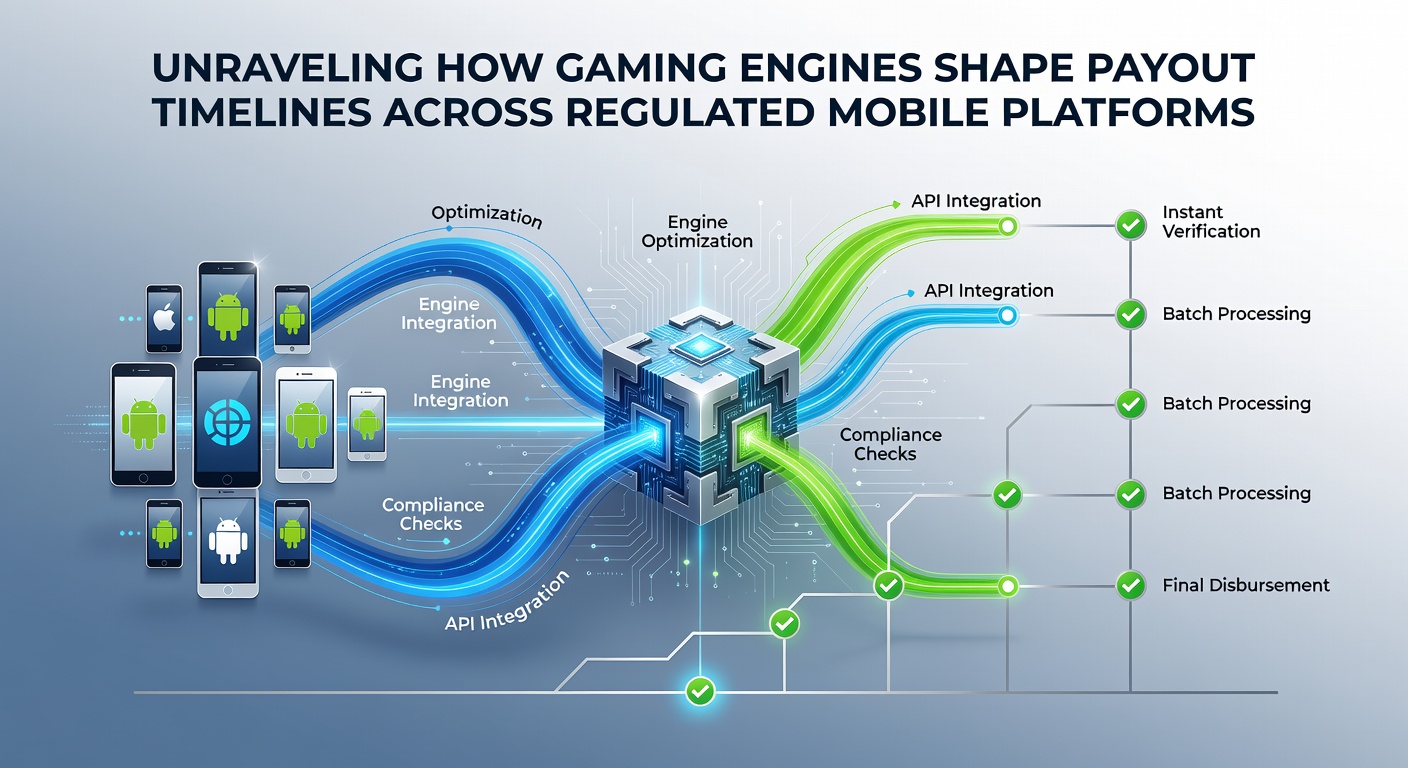
Gaming engines connect to external payment rails through APIs that vary in responsiveness. When an engine uses asynchronous calls, it can continue other tasks while awaiting confirmation from banks or digital wallet services. This approach prevents bottlenecks that occur when engines pause entirely during external queries. Industry analyses indicate that such asynchronous designs correlate with shorter overall payout windows in high-volume markets.
Some operators have adopted engines that pre-validate account details before any withdrawal request arrives. Pre-validation shifts part of the workload away from the moment of payout, reducing the time players wait for funds to appear. Data compiled by research institutions tracking mobile gambling trends supports the observation that pre-validation steps contribute to more predictable timelines across different regulatory zones.
Case Examples from Operational Platforms
One European operator migrated its mobile platform to an engine featuring modular verification components in early 2025. Subsequent performance metrics submitted to the Malta Gaming Authority showed a measurable reduction in average payout duration from 18 minutes to under eight minutes for standard withdrawals. Another example comes from an Australian platform that integrated engine-level fraud detection directly into the transaction pipeline, resulting in fewer manual interventions and steadier processing rates during peak evening hours.
These implementations illustrate how engine-level decisions influence outcomes without altering the underlying regulatory framework. Observers tracking these changes note that the improvements arose from internal architecture adjustments rather than changes in external rules.
Conclusion
Gaming engines serve as the operational backbone that translates regulatory and technical requirements into actual payout timelines on regulated mobile platforms. Their design choices around processing logic, data handling, and external integrations determine the speed and reliability players experience. As operators continue to update these systems ahead of milestones such as the June 2026 deployments, the connection between engine architecture and payout performance remains a central factor in platform operations across multiple jurisdictions. New Jersey Division of Gaming Enforcement guidelines and reports from the Alcohol and Gaming Commission of Ontario provide ongoing data that highlights these relationships.