Software Architectures Underpinning Reward Integration, Payment Gateways, and Live Dealer Protocols in Mobile Casino Applications
Uma Bauer · Aug 22, 2026
Software Architectures Underpinning Reward Integration, Payment Gateways, and Live Dealer Protocols in Mobile Casino Applications
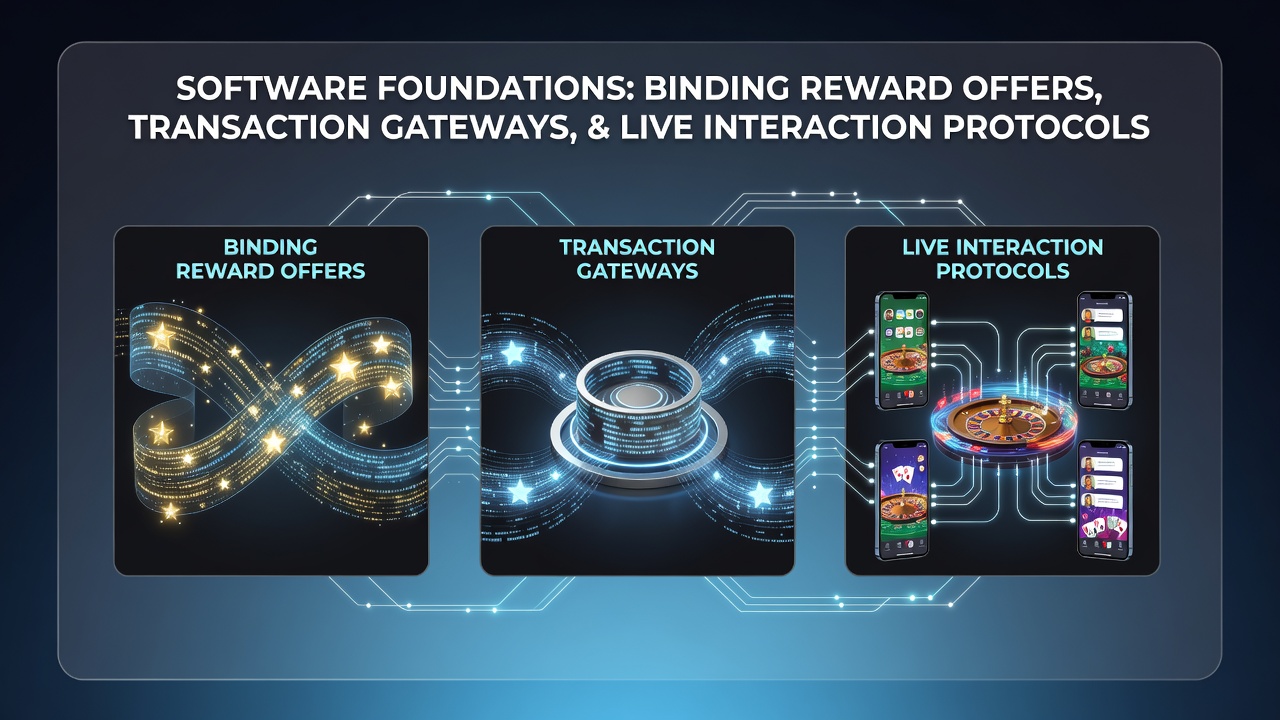
Software foundations in portable casino applications connect reward offers directly to user accounts through binding mechanisms that track eligibility and redemption in real time, while transaction gateways handle encrypted payment processing and live interaction protocols manage synchronized dealer sessions across devices. These components operate together to support seamless gameplay, with data flows routed through centralized servers that validate offers before authorizing spins or bets.
Binding Mechanisms for Reward Offers
Developers integrate binding reward offers into core application layers using API endpoints that link promotional codes to player profiles, and these connections trigger automatic credit allocation once conditions such as deposit thresholds or wagering requirements are met. Research indicates that frameworks like those based on modular microservices allow updates to bonus structures without full application redeployment, which reduces downtime during peak usage periods. In August 2026, industry reports noted increased adoption of such binding systems in response to regulatory demands for transparent tracking of promotional liabilities across multiple jurisdictions.
Those who have examined mobile casino codebases observe that binding occurs at the account management layer, where reward data merges with session logs to prevent duplicate claims, and this process often incorporates timestamp verification to align with expiration rules set by operators.
Transaction Gateways and Security Protocols
Transaction gateways in these applications rely on tokenization and multi-factor authentication to process deposits and withdrawals, routing requests through payment processors that comply with regional standards for data encryption. According to figures from the Nevada Gaming Control Board, mobile transaction volumes in regulated markets showed steady growth through mid-2026, driven by integration of digital wallet options that interface directly with gateway software. These gateways also incorporate fraud detection algorithms that flag unusual patterns before funds transfer completes, maintaining separation between gaming balances and external financial accounts.
Observers note that gateway architecture frequently employs asynchronous processing queues to handle high volumes without interrupting live sessions, allowing players to continue table interactions while background verifications occur.
Live Interaction Protocols for Dealer Engagement
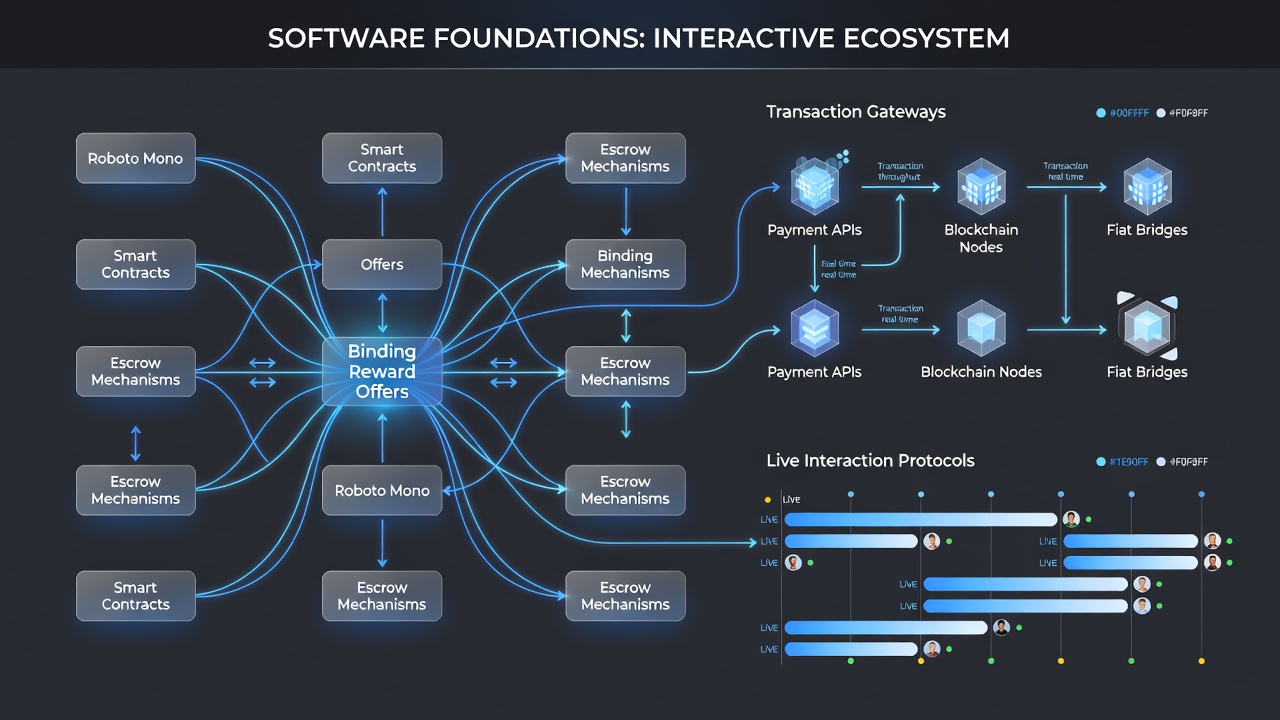
Live interaction protocols synchronize video streams and betting interfaces through WebRTC or similar real-time communication standards, ensuring that player actions such as card decisions reach dealers with minimal latency. These protocols bind to reward systems by checking active offers during each round, and transaction gateways receive updates on bet amounts to adjust account balances instantly. Data from the Alcohol and Gaming Commission of Ontario shows that certified mobile platforms maintained sub-second response times for live dealer features in testing conducted earlier in 2026.
Engineers design these protocols with fallback mechanisms that switch to recorded dealer content if connectivity drops, preserving session continuity while the core software verifies ongoing compliance with interaction rules.
Integration Across Portable Platforms
Portable casino applications combine these elements through unified software development kits that embed reward binding, gateway calls, and protocol handlers into a single runtime environment, and this integration supports cross-device continuity where a session started on one phone resumes on another without resetting active offers or pending transactions. Studies of platform performance reveal that containerized deployment methods help isolate updates to individual components, such as refreshing a payment gateway module while live protocols remain active.
Those who've reviewed deployment logs from major operators find that August 2026 updates emphasized improved error handling across these integrated layers, reducing instances where reward redemptions failed due to temporary gateway interruptions.
Conclusion
The interconnected nature of reward binding, transaction gateways, and live interaction protocols forms the operational backbone of portable casino applications, with each element relying on shared data structures to maintain accuracy and security. Continued refinement of these foundations supports evolving regulatory requirements and expanding user bases in mobile environments.