Investigating Interactions Between Marketing Incentives, Technical Architectures, and Security Protocols in Mobile Casino Gaming
Uma Bauer · Jun 18, 2026
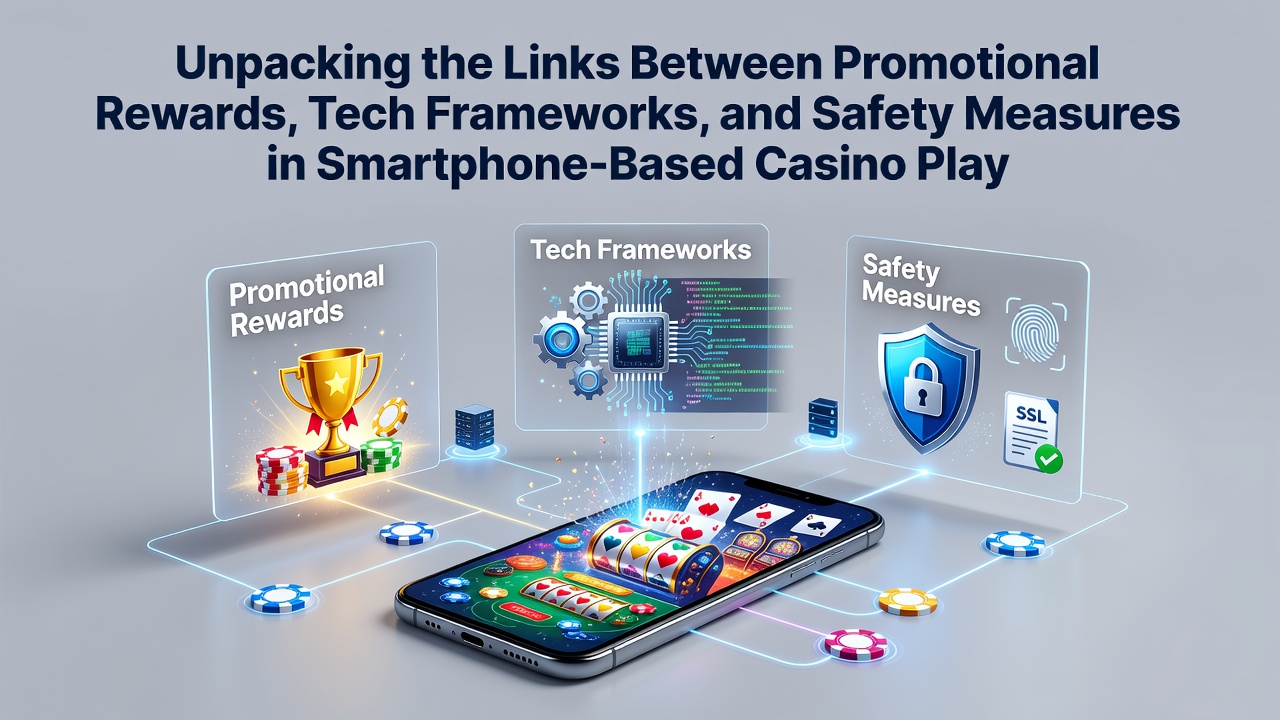
Investigating Interactions Between Marketing Incentives, Technical Architectures, and Security Protocols in Mobile Casino Gaming
Smartphone-based casino play continues to expand across regulated markets, where promotional rewards connect directly with the underlying software structures that manage game delivery, while safety measures operate as integrated components rather than separate add-ons. Observers note that operators embed welcome bonuses, loyalty points, and deposit matches into the same application layers that handle real-time gameplay and transaction processing, which creates dependencies that require coordinated design from the outset.
Promotional Rewards as Embedded System Elements
Bonus structures appear in mobile casino applications as coded triggers that activate upon user actions such as account registration or first deposits, and these triggers link to backend databases that track eligibility and redemption limits. In June 2026, several platforms reported increased usage of tiered reward systems that adjust dynamically based on player activity logs stored within the same frameworks responsible for session management. Such integration allows automatic calculation of cashback percentages or free spin allocations without requiring separate external processes, although it also means any modification to reward parameters necessitates updates across multiple code modules simultaneously.
Research from industry analysts shows that reward distribution often relies on push notification services built into the core application framework, where timing and content personalization draw from the same user behavior data used for game recommendations. This approach reduces latency but introduces requirements for precise data segmentation to prevent overlap between marketing communications and security alerts.
Technical Frameworks Supporting Integrated Operations
Application frameworks in mobile casino environments typically combine cross-platform development tools with secure payment gateways and random number generation modules, all housed within a unified architecture that supports both iOS and Android deployments. Developers implement these frameworks to ensure that promotional calculations execute within the same memory space as game logic, which streamlines performance yet demands rigorous testing protocols to isolate any potential conflicts between reward algorithms and core gameplay functions.
Those who maintain these systems point out that microservices architectures have become common because they allow independent scaling of reward processing during peak promotional periods without affecting the stability of live dealer streams or slot mechanics. Data from platform providers indicates that such modular designs contribute to faster deployment cycles when operators introduce new bonus campaigns in response to seasonal market shifts.

Safety Measures Woven Into Reward and Framework Layers
Security protocols function as embedded checks within the same technical stacks that manage rewards, including real-time identity verification that runs alongside bonus eligibility scans. Encryption standards apply uniformly to both financial transaction data and the storage of promotional history, which prevents unauthorized access to reward balances or player profiles. Regulatory bodies such as the New Jersey Division of Gaming Enforcement require these overlapping safeguards as part of licensing conditions for mobile operators.
Multi-factor authentication mechanisms often trigger at the moment a user attempts to claim a reward, creating a checkpoint that draws from the application's security layer rather than operating as an isolated process. This linkage ensures that any detected anomaly in login patterns immediately affects reward redemption workflows, thereby containing potential misuse within defined system boundaries. Studies conducted by university research teams have documented how these combined controls contribute to lower incident rates in jurisdictions with mature mobile gaming regulations.
Case Examples From Operational Environments
One documented implementation involved an operator that synchronized its loyalty program database directly with the payment processing engine, allowing instant conversion of accumulated points into playable credits while maintaining audit trails required by oversight agencies. The framework in use included containerized services that isolated reward logic from game engines, which facilitated compliance audits without interrupting live sessions.
Another example from Australian markets highlighted the use of geofencing technology integrated into the safety layer, where promotional offers became unavailable outside permitted regions even though the underlying application remained functional. This configuration relied on location services that fed directly into both reward eligibility checks and access control lists maintained within the central architecture.
Conclusion
Interactions among promotional rewards, technical architectures, and safety measures in smartphone casino applications reflect deliberate design choices that prioritize operational cohesion across regulated environments. Data from multiple jurisdictions continues to illustrate how these elements function as interdependent components rather than isolated features, with ongoing refinements driven by both technological capabilities and compliance requirements.