Decoding Platform Architectures That Link Verified Payout Systems With Dynamic Table Features Across Portable Gaming Networks
Felix Russell · Jul 18, 2026
Decoding Platform Architectures That Link Verified Payout Systems With Dynamic Table Features Across Portable Gaming Networks
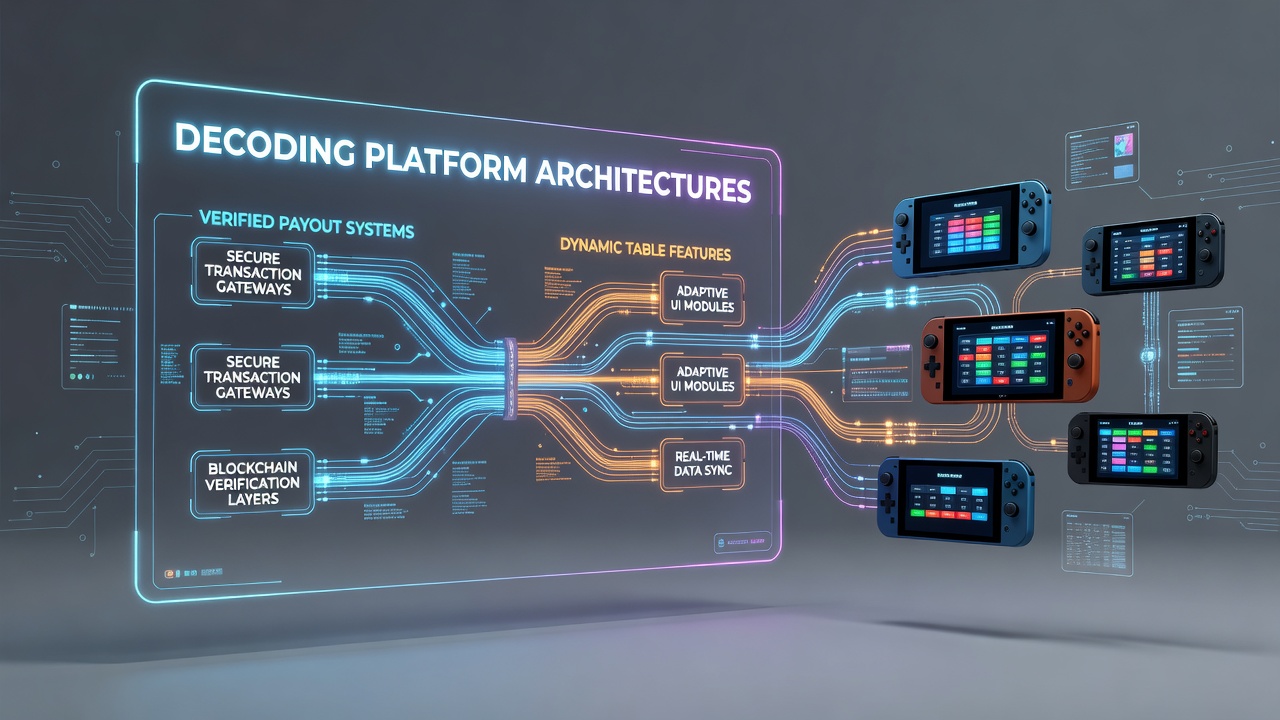
Platform architectures in portable gaming networks coordinate verified payout systems with dynamic table features through layered software stacks that handle real-time data exchange, security protocols, and user interactions across mobile devices. These systems rely on modular designs where payment verification engines connect directly to game servers managing table elements such as card distributions, bet adjustments, and outcome generations. Developers structure these architectures around application programming interfaces that allow payout modules to authenticate transactions before dynamic tables update player balances or session states. Research from the Nevada Gaming Control Board shows that such integrations reduce processing delays by routing verification calls through centralized ledgers while permitting tables to adapt parameters like minimum bets or player limits based on network conditions.Core Components of Integrated Architectures
Verified payout systems incorporate multi-factor authentication layers combined with cryptographic hashing to confirm fund movements between player accounts and operator reserves. Dynamic table features operate on separate but linked services that receive payout confirmations as triggers for updating visual elements and rule sets in live or simulated environments. Observers note that middleware components serve as bridges, translating payment status codes into table commands that adjust gameplay flows without interrupting user sessions.
Engine architectures often employ microservices patterns where each service manages distinct functions including transaction logging, table state synchronization, and device compatibility checks. Data flows begin when a player initiates a wager, pass through verification queues, and end with table responses that reflect updated account information. Studies from the University of Nevada Reno indicate these connections maintain consistency across thousands of concurrent portable sessions by using event-driven messaging systems rather than polling methods.Technical Linkages Between Payouts and Tables
Connections between verified payouts and dynamic tables rely on secure socket layers and token-based authorizations that prevent unauthorized modifications during active play. When a payout processes successfully the architecture signals the table service to recalculate available options such as side bets or progression multipliers. This linkage ensures that balance changes appear instantaneously on mobile interfaces while preserving audit trails required by regulatory frameworks.
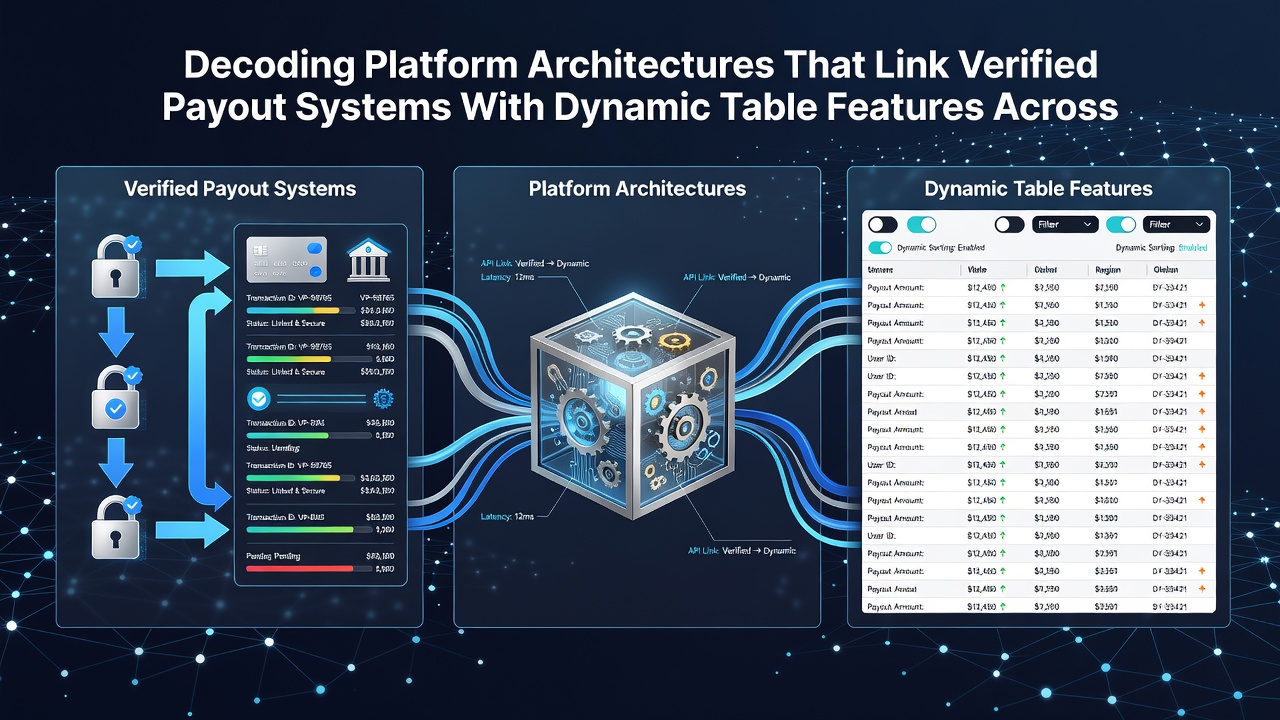 Portable gaming networks extend these linkages through cloud-hosted orchestration tools that scale according to regional demand peaks. Experts have observed that load balancers distribute verification requests across regional data centers before forwarding confirmed results to table instances running on edge servers closer to end users. Such distribution patterns support low-latency updates essential for features like real-time dealer interactions or procedurally generated table variants.
Security and Compliance Mechanisms
Security protocols embed within the architecture at multiple points to safeguard both payout integrity and table dynamics. Encryption standards protect data in transit between modules while anomaly detection algorithms monitor for irregular patterns that might indicate tampering attempts. Regulatory bodies in various jurisdictions require these safeguards as part of certification processes that test end-to-end transaction paths from mobile client to backend settlement.
According to reports published by the New Jersey Division of Gaming Enforcement, architectures passing compliance audits demonstrate traceable logs that link each payout event to corresponding table state changes. This traceability supports dispute resolution and helps operators meet reporting obligations without exposing sensitive player data during routine operations.
Developments Observed in Mid-2026
By July 2026 several portable gaming providers had implemented enhanced protocol versions that further tightened synchronization between payout verification and dynamic table responses. These updates addressed previous bottlenecks identified in high-volume environments by introducing predictive caching for common table configurations. Industry analyses from the Canadian Gaming Association reveal measurable improvements in session continuity rates following these deployments across multiple network operators.
Additional refinements focused on cross-device compatibility so that players switching between smartphones and tablets experience seamless table state preservation after verified transactions complete. The architecture supports this continuity through persistent session tokens that carry verified payout details forward without requiring repeated authentication steps.
Conclusion
Platform architectures linking verified payout systems with dynamic table features continue to evolve as portable gaming networks expand their reach and technical capabilities. The integration relies on coordinated services that prioritize transaction security alongside responsive gameplay adjustments, supported by regulatory oversight and ongoing technical refinements documented through 2026. These systems form the operational backbone that enables consistent experiences across diverse mobile environments while meeting established standards for verification and adaptability.