Decoding Mobile Gaming Architectures for Enhanced Security and Efficient Transactions
Uma Bauer · Jun 22, 2026

Decoding Mobile Gaming Architectures for Enhanced Security and Efficient Transactions
Portable gaming platforms rely on intricate software stacks that combine encryption protocols, random number generators, and distributed ledger elements to deliver protected sessions alongside rapid fund movements, and observers note that these components operate in tandem across iOS and Android environments as of mid-2026.
Core Security Layers in Mobile Frameworks
Developers integrate multi-factor authentication with biometric checks and device fingerprinting while real-time monitoring systems flag irregular patterns before they escalate, and data from regulatory filings indicate that such measures reduced unauthorized access incidents by measurable margins in several jurisdictions during the first half of the year. Researchers at institutions tracking digital entertainment have documented how transport layer security protocols wrap every data packet exchanged between user devices and backend servers, yet these protections extend further through application-level firewalls that segment player accounts from payment databases.
Random Number Generation and Fairness Verification
Certified random number generators sit at the heart of game logic, certified by independent testing labs that audit source code and output distributions on a recurring schedule, and experts point out that portable implementations often employ hardware security modules to prevent tampering even when devices operate on public networks. In June 2026 several operators reported passing updated certification benchmarks that incorporate quantum-resistant algorithms, which future-proofs the systems against emerging computational threats without disrupting ongoing play sessions.
Payment Processing Pathways and Seamless Withdrawals
Payment engines connect through encrypted APIs to banking networks, digital wallet providers, and card processors, allowing deposits to clear in seconds and withdrawals to reach verified accounts within minutes when compliance checks pass, while observers highlight that these pathways incorporate velocity limits and geographic restrictions that align with local licensing rules. The architecture typically routes transactions through tokenization services that replace sensitive card details with unique identifiers, and figures from industry reports show that this approach cut fraud rates in mobile channels compared with earlier direct-entry methods.
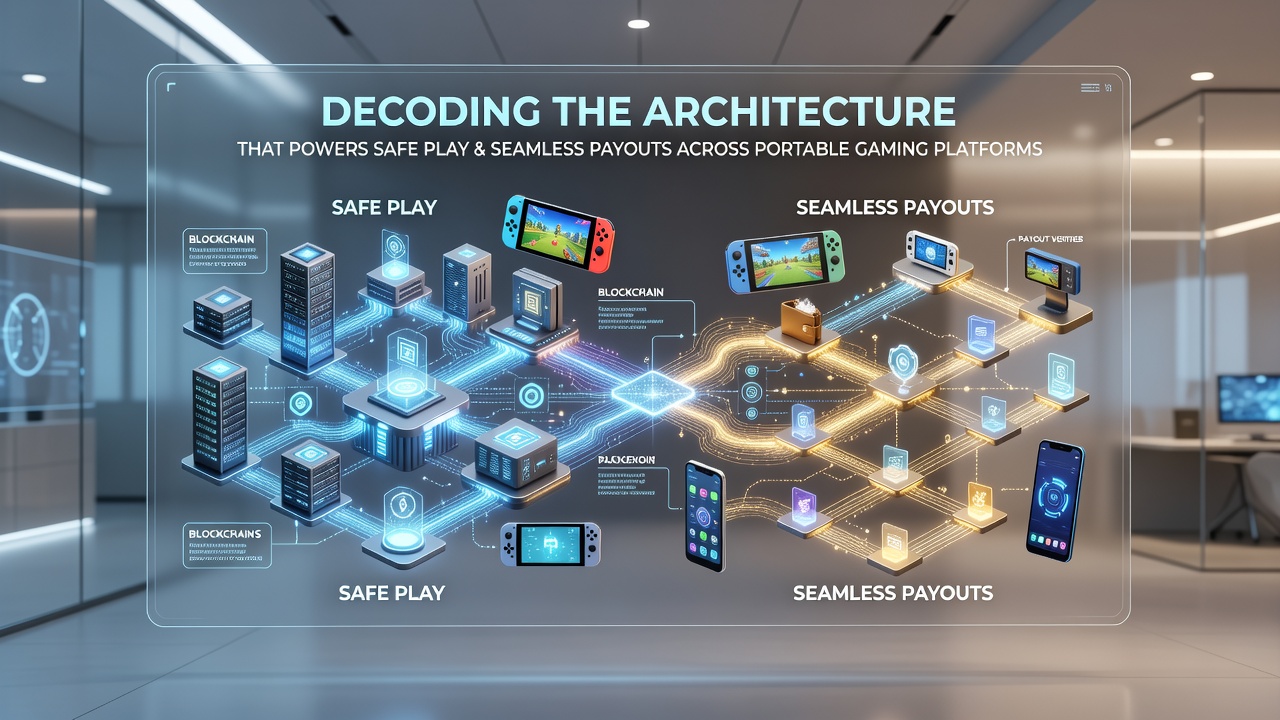
Cloud-based microservices handle the orchestration so that a single player request triggers parallel verifications for identity, balance, and regulatory holds, and those who have examined production logs note that the system rolls back any incomplete transaction automatically to maintain ledger integrity. Australian regulatory summaries released earlier in 2026 emphasize the importance of these automated reconciliation routines in maintaining player trust across state borders.
Integration of Live Verification and Certification Standards
Live verification systems pull data from government databases and credit bureaus in real time while cross-referencing against watch lists, and this process occurs without noticeable lag because the architecture employs edge computing nodes positioned near major population centers. Certification benchmarks from bodies such as the New Jersey Division of Gaming Enforcement require continuous logging of every security event, which feeds into anomaly detection models trained on historical breach data, and researchers at technical universities have published analyses showing how these models adapt to new threat vectors within hours of detection.
One documented case involved a European operator that upgraded its session management layer to support seamless handoffs between cellular and Wi-Fi connections, and the change preserved active game states while re-authenticating payment tokens without forcing users to restart transactions. Such upgrades illustrate how modular design allows incremental improvements that accumulate into more robust overall protection.
Scaling Considerations Across Global Networks
Load balancers distribute incoming connections across regional data centers so that latency stays low even during peak evening hours in multiple time zones, and the same infrastructure supports A/B testing of new game features without exposing the core payment rails to experimental code. Observers note that container orchestration tools keep each service isolated, which limits the blast radius if any single component encounters an issue, and this principle has proven effective in maintaining uptime metrics above 99.9 percent across major platforms.
Conclusion
The combined architecture of security protocols, certified randomness, tokenized payments, and real-time verification creates an environment where safe play and fluid payouts coexist on portable devices, and ongoing refinements driven by regulatory updates and technical research continue to shape how these systems evolve through the remainder of 2026 and beyond. Data from multiple oversight agencies confirm that platforms adopting these layered approaches experience fewer compliance incidents while sustaining higher volumes of verified transactions.