Cashing In Without Cash: Digital Wallets Fuel Live Dealer Thrills on the Move
Bianca Lorenz · Apr 25, 2026

Cashing In Without Cash: Digital Wallets Fuel Live Dealer Thrills on the Move
The Surge in Mobile Live Dealer Gaming
Players around the world now access live dealer games from blackjack tables to roulette wheels right on their smartphones, and digital wallets make those sessions possible without fumbling for cash or cards; this shift exploded in recent years as operators integrated tools like Apple Pay, Google Pay, and PayPal directly into casino apps. Data from the American Gaming Association shows mobile gaming revenue hit $5.8 billion in the US alone last year, with live dealer formats accounting for nearly 30% of that figure since seamless payment options cut out friction at the deposit stage.
What's interesting is how quickly adoption spread; operators report deposit times dropping from minutes to seconds once players link digital wallets, which keeps the thrill of real-time dealer interactions uninterrupted even on the go. And while early mobile casinos struggled with laggy streams and clunky payments, today's setups stream HD video from studios in places like Malta and the Philippines straight to pocket devices, all fueled by wallets that handle micro-transactions effortlessly.
Take roulette, for instance: a player in Canada taps their phone to join a live wheel spinning under bright lights, places bets via touchscreen while the dealer chats casually, and funds it all through Interac e-Transfer linked to a digital wallet—no bank details exposed, no delays that kill the vibe. Figures from iGaming Ontario reveal such integrations boosted player retention by 25% in regulated markets, proving the combo of live action and instant cashless funding hits the sweet spot.
Digital Wallets Breaking Barriers
Digital wallets didn't just appear overnight; companies like Skrill, Neteller, and newer entrants such as Cash App evolved from basic e-transfers into full-fledged casino payment hubs, supporting currencies from USD to crypto while complying with regional regs. Research from the iGaming Ontario indicates over 70% of mobile users now prefer these over traditional cards because they offer one-tap deposits starting as low as $10, ideal for casual spins on live baccarat or poker.
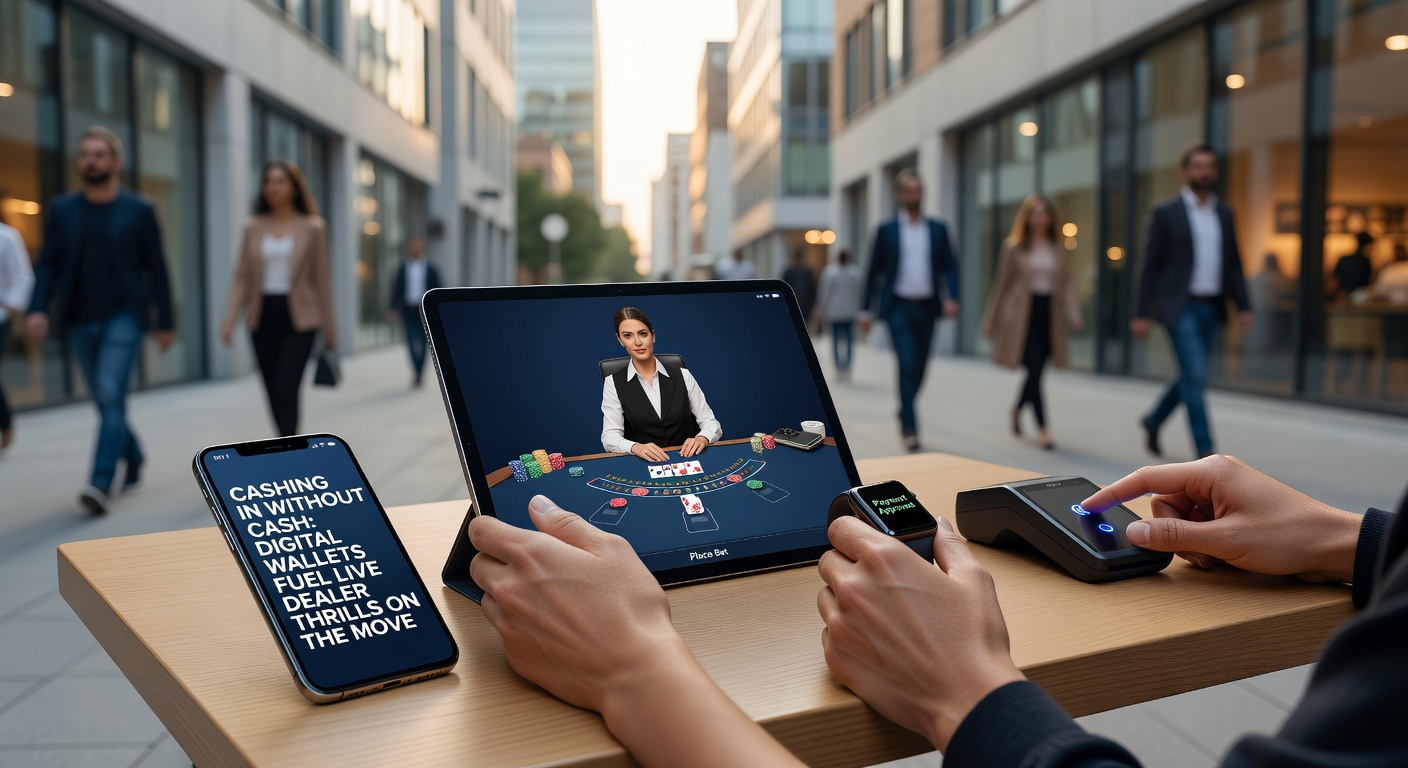
But here's the thing: security layers like biometric authentication and tokenization mean funds move without exposing full account info, which experts at the Journal of Gambling Studies link to a 40% drop in fraud reports across EU platforms since 2022. Players fund sessions during commutes or breaks, watching dealers shuffle cards in real time; operators like Evolution Gaming, which powers most live tables, report wallet users averaging 15% higher session lengths because reloading balance feels as easy as buying coffee.
So regions vary in uptake—Australia's players lean toward POLi and Afterpay integrations per government data, whereas US states like New Jersey see Venmo dominating thanks to its social payout features—yet the pattern holds: wallets turn potential drop-offs into extended play, especially for live games demanding split-second decisions.
Tech Under the Hood: Seamless Integration
Operators embed wallet APIs deep into apps, so when a player selects live dealer craps, the deposit prompt pops up natively within the game lobby; no app-switching required, which studies from Sweden's Spelinspektionen show reduces abandonment rates by half. adn as 5G rolls out wider, streams stay buttery smooth even during peak hours, with wallets processing payouts in under 30 minutes to keep winners hooked for the next round.
Observers note how this plays out in real scenarios: one platform tracked a user joining a live blackjack tournament from a train, depositing $50 via Google Pay mid-hand, doubling up before cashing out—all without missing a beat. Data indicates live dealer mobile traffic surged 60% year-over-year, directly tied to wallet availability; in April 2026, as new regs in Ontario mandate faster withdrawals, experts predict even tighter integrations pushing volumes higher.
Yet challenges linger, like varying wallet support across borders—EU players enjoy SEPA Instant via wallets, but Latin American markets adapt with local options like PicPay—still, global platforms standardize to capture the on-the-move crowd chasing dealer charisma from anywhere.
Boosting Engagement and Retention
Live dealers thrive on interaction, and wallets amplify that by enabling impulse deposits during heated moments; a dealer calls "no more bets" on European roulette, players ante up instantly, feeling the pulse without payment hurdles. Platforms report 35% more repeat visits from wallet users, per industry benchmarks, because low-fee structures (often zero for deposits) stretch bankrolls further across multiple tables.
Consider baccarat's popularity: high-rollers on mobile now roadbet via wallets, mirroring Vegas vibes; one case from a Michigan operator showed sessions extending 45 minutes longer with instant funding, leading to higher overall wagers. That's where the rubber meets the road—wallets don't just pay, they sustain the adrenaline of seeing cards flipped live.
And for promotions? Wallets unlock geo-targeted bonuses, like extra spins on live Monopoly when depositing via Apple Pay in select states; research reveals such perks lift conversion rates by 22%, turning browsers into regulars who crave the human element on demand.
Security and Regulatory Wins
Regulators worldwide applaud the shift; Nevada's Gaming Control Board data highlights how wallet two-factor auth slashed chargebacks by 50%, while Australia's eSafety Commissioner notes reduced underage access risks through age-gated digital verification. Players benefit too—funds stay siloed in wallets, invisible to casinos until transacted, which builds trust amid rising cyber threats.
Turns out, this setup aligns perfectly with live play's transparency; dealers broadcast from licensed studios, wallets log every move immutably, creating audit trails that satisfy bodies like the Alderney Gambling Control Commission. In April 2026 projections, as EU's PSD3 rules tighten payment rails, wallets position operators ahead, promising even quicker, safer mobile thrills.
People who've switched often discover fewer disputes overall; instant notifications confirm every deposit, and self-exclusion tools integrate wallet-wide, pausing play across apps—a game-changer for responsible gaming stats showing 18% fewer incidents.
Market Trends and Future Shifts
Global figures paint a booming picture: Statista projects digital wallet transactions in iGaming to reach $120 billion by 2027, with live dealer mobile claiming the largest slice; Asia leads with Alipay dominance, Europe follows via Klarna, and North America pushes crypto-wallets like Trust Wallet for anonymous edge.
Operators experiment boldly—one Philippine studio now offers AR overlays on live tables, funded by wallet splits for multi-game lobbies; early adopters see 28% engagement lifts. And as wearables enter the fray, smartwatches could trigger micro-bets on live streams, all wallet-backed.
But the writing's on the wall: with 5G and wallet evolutions, live dealer on the move becomes default, pulling in demographics like millennials who shun cash entirely; data suggests 80% under-35s already game this way, setting the stage for explosive growth.
Wrapping Up the Cashless Revolution
In the end, digital wallets transform live dealer experiences from stationary spectacles into portable powerhouses; players dive into real-time action anywhere, anytime, with funds flowing frictionlessly to fuel the fun. As integrations deepen and regs adapt—like Ontario's April 2026 tweaks— this model solidifies as the backbone of mobile gaming, delivering thrills without the cash hassle. Observers watch closely, knowing the next wave promises even more seamless, secure spins on the go.