Application Frameworks Powering Verified Payments and Dynamic Table Interactions in Portable Casino Environments
Bianca Lorenz · May 28, 2026
Application Frameworks Powering Verified Payments and Dynamic Table Interactions in Portable Casino Environments
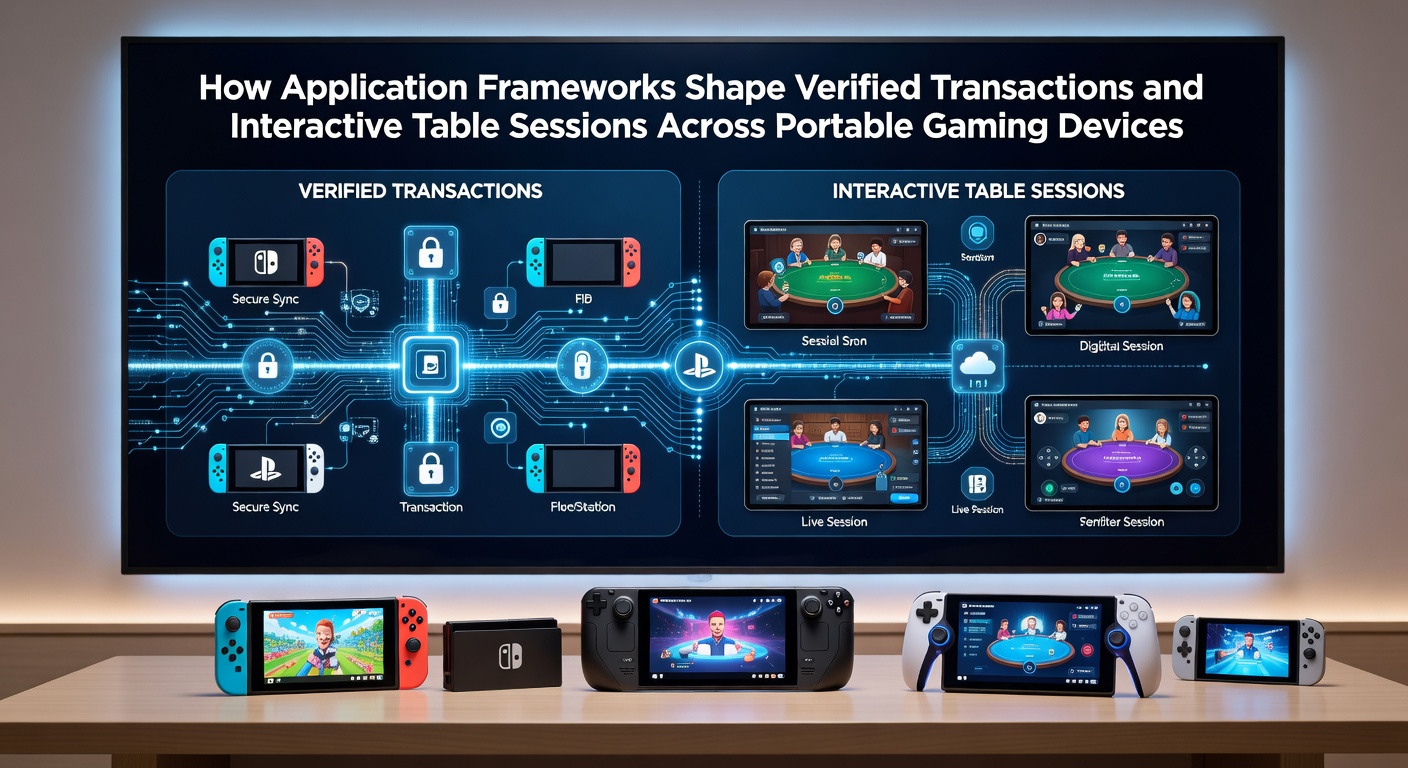
Application frameworks have become central to how verified transactions and interactive table sessions operate on portable gaming devices, with developers relying on structured code libraries and APIs to manage everything from payment encryption to real-time player synchronization. These frameworks handle the underlying logic that ensures data integrity during financial exchanges while supporting the low-latency connections required for live table environments.
Core Components of Modern Frameworks in Gaming Contexts
Frameworks such as those built around cross-platform tools enable consistent performance across iOS and Android devices, which means developers can implement security protocols once and deploy them widely without rewriting core modules for each operating system. Data shows that transaction verification processes benefit directly from built-in encryption libraries and tokenization features that frameworks provide, reducing exposure points during fund transfers between player accounts and gaming servers. Researchers have noted that real-time communication modules within these frameworks support the streaming of dealer actions and player decisions at table sessions, maintaining synchronization even when network conditions fluctuate on mobile connections.
Transaction Verification Through Framework Architecture
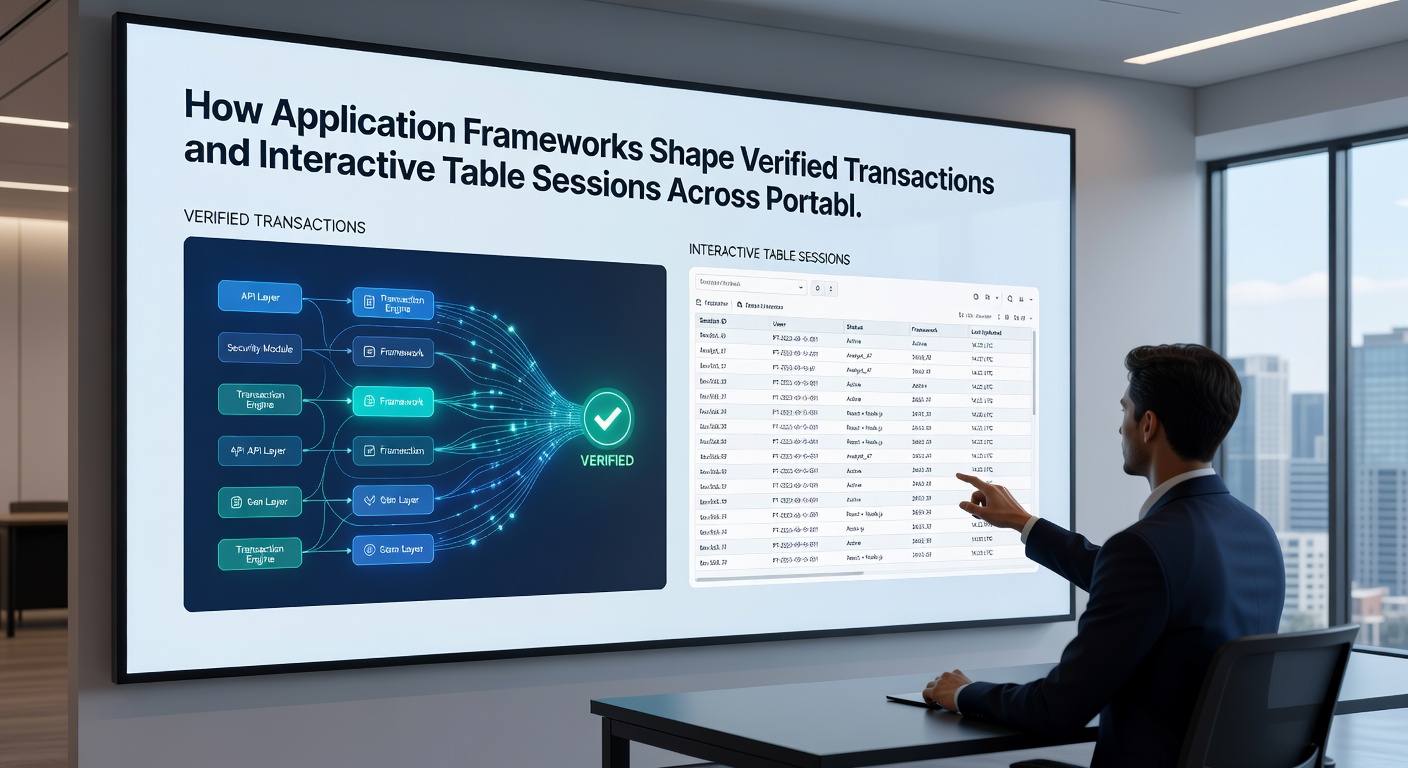
Verified transactions rely on layered authentication methods that frameworks integrate at the application level, including biometric checks and multi-factor confirmation sequences that execute before any funds move. According to reports from the European Gaming and Betting Association, such integrations have streamlined compliance with regional standards by embedding audit trails directly into the code structure, allowing operators to track each step of a payment without additional external tools. Portable devices benefit because frameworks optimize these processes for battery efficiency and minimal data usage, which keeps sessions active longer during peak usage periods in May 2026 when regulatory updates in several markets are scheduled to emphasize enhanced digital verification.
Frameworks also manage API gateways that connect gaming applications to banking networks, ensuring that verification occurs within milliseconds rather than requiring separate redirects that interrupt play. Observers note that this seamless handling reduces drop-off rates during deposits and withdrawals, particularly in environments where players switch between Wi-Fi and cellular networks mid-transaction.
Interactive Table Sessions Enabled by Framework Capabilities
Interactive table sessions on portable devices depend on frameworks that support WebSocket connections and state management systems capable of updating dozens of variables simultaneously as cards are dealt or bets are placed. These systems allow for features like shared virtual tables where participants see actions from others in real time, all while the framework maintains separate secure channels for each player's financial data. Studies from gaming technology research groups indicate that latency reductions achieved through optimized rendering pipelines in modern frameworks have improved the responsiveness of live dealer interfaces, making mobile sessions comparable to desktop experiences in terms of fluidity.
One case involves frameworks incorporating machine learning components for predictive buffering, which anticipates network delays and preloads table elements to prevent visible interruptions. This approach proves especially useful during high-traffic events when many users access the same live table simultaneously across different device models.
Regional Developments and Data Trends
Figures from the Malta Gaming Authority highlight steady growth in mobile transaction volumes processed through framework-supported applications, with portable devices accounting for an increasing share of verified activity in European markets. In parallel, Canadian regulatory bodies have documented similar patterns where framework updates correlate with higher completion rates for interactive sessions that require both payment confirmation and ongoing table participation. These trends reflect broader adoption of modular design patterns that let operators update security features or add new table variants without full application redeployment.
What's interesting is how frameworks facilitate compliance across borders by allowing region-specific modules to be toggled based on device location data, which helps operators meet varying requirements without fragmenting the user experience.
Future Outlook Through 2026 and Beyond
Looking ahead to May 2026, anticipated enhancements in 5G infrastructure combined with evolving framework support for edge computing are expected to further tighten the integration between transaction verification and table interactivity. Developers are already testing frameworks that distribute processing tasks to nearby servers, which could cut verification times even more while preserving the smooth flow of live table events on portable screens. Industry associations continue to track these advancements through collaborative reports that emphasize measurable improvements in session stability and payment accuracy.
Conclusion
Application frameworks continue to define the technical foundation for secure, responsive gaming on portable devices by unifying transaction safeguards with the demands of real-time table environments. As these tools evolve, they support the expanding scale of mobile participation while aligning with regulatory expectations across multiple jurisdictions.